

Carrier Screening in CoventryCarrier Screening in Coventry - view 2Carrier Screening in Coventry - view 3Carrier Screening in Coventry - view 4Carrier Screening in Coventry - view 5Carrier Screening in Coventry - view 6
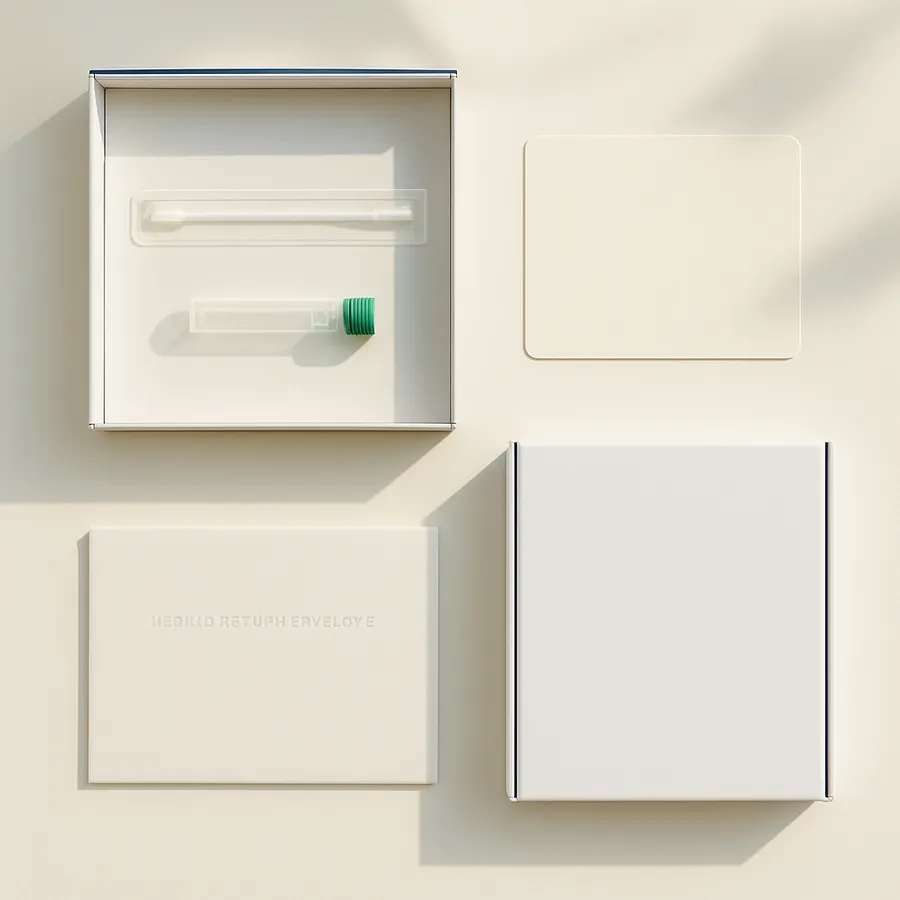
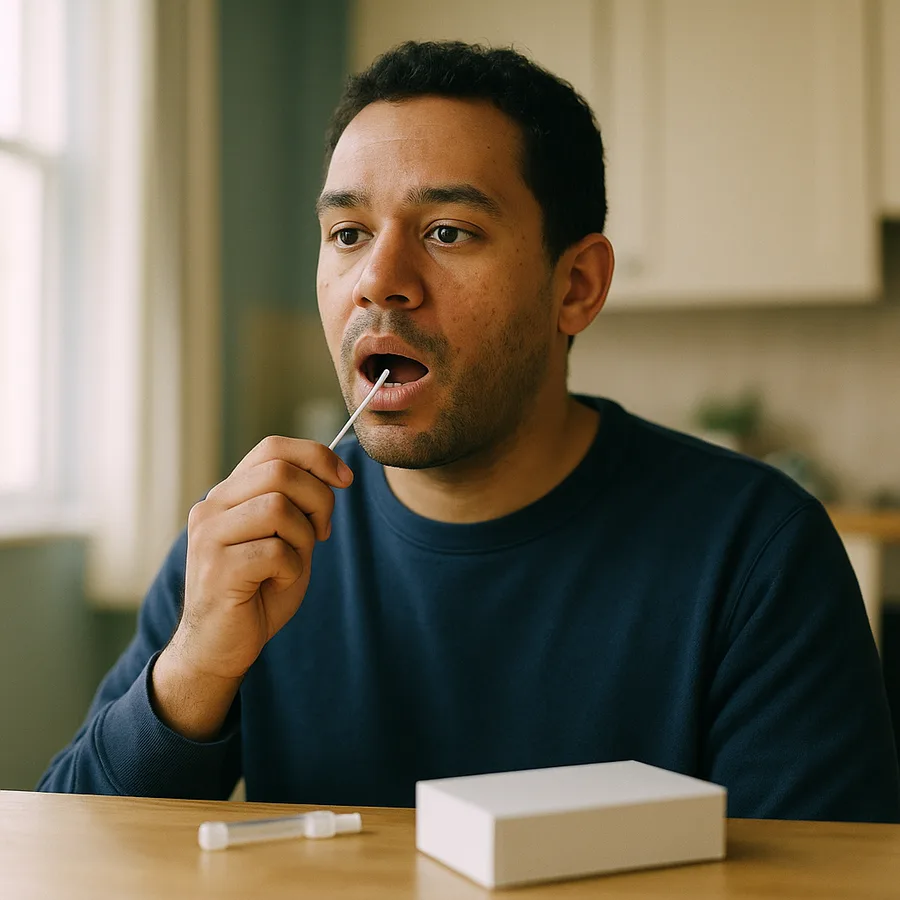
Self-collection at home Self-collection at home
1 / 6
Carrier Screening in Coventry
Patient reviews

Carrier Screening in Coventry

£660 See options below

Carrier screening in Coventry from £660 (couple £1,200). 1,008-gene panel, pre-test counsellor consultation included, oral-swab or blood-draw collection, results in 17-21 working days.

Turnaround time 17-21 working days
Population 90%
Laboratory analysis About our testing →

Who's testing?

Choose your collection method

Klarna's credit agreements are not regulated by the FCA. Use of these and any missed payments may affect your ability to obtain credit from Klarna and other lenders. 18+, UK residents only. Subject to status. T&Cs apply. Klarna terms apply.

● In stock · Secure checkout via Stripe

30-minute genetic counselling included with every test

At-home buccal swab included; an in-clinic blood draw is available (+£40)

Results within 17-21 working days of sample receipt

Carrier screening in Coventry - what to expect locally

Carrier screening in Coventry checks 1,008 genes linked to inherited recessive conditions. Many of these conditions develop when a child inherits a change in the same gene from both parents, who are usually healthy carriers themselves; others, such as X-linked conditions, follow a different pattern. Carriers often have no family history of the condition, so most people only find out they are carriers by being tested. Testing before pregnancy, or early in one, gives you the most options.

You can collect your sample at home with an oral swab or the Tasso Home Collection Kit, have your blood taken at a Jeen partner clinic, or book a home-nurse visit. Where we have a partner clinic in or near Coventry, it is listed with its address in the Clinic network section further down this page.

Before you test you have a 30-minute consultation with a Jeen genetic counsellor (video or phone), included in the price. Results take 17-21 working days from when the laboratory receives your sample. Your genetic counsellor reviews your result, and we book a follow-up consultation if it is high-risk. If you are planning a pregnancy together, the couple option screens both of you.

Carrier screening is a screening test, not a diagnosis. No panel detects every variant, so a negative result lowers but does not remove the chance that you are a carrier, and some results are variants of uncertain significance. What a result means for a pregnancy depends on the gene, how it is inherited and, for many conditions, whether your partner is also a carrier.

Saliva or blood? How the two sample types compare.

Useful information

The logistics, simply.

Everything you need to know about shipping, blood draw, and suitability.

Kit delivery & logistics

1. Get your kit from us. Free delivery of your test kit, dispatched by next-day delivery after your included 30-minute genetic counsellor consultation (video or phone) and once your consent form is signed. Changed your mind? Return the kit unused within 30 days at no charge.

2. Posting your sample back. After sample collection, send your sample in the pre-paid bag to the nearest depot (details in your email). Turnaround is counted in working days from when your sample reaches the laboratory.

Turnaround
17-21 working days

Sample / draw options

At-home cheek swab : At-home cheek swab kit; you collect the sample yourself and post it back.

Blood draw : Standard venous blood draw at a Jeen partner clinic or by a mobile phlebotomist - or, with the Tasso Home Collection Kit, a blood sample you collect yourself at home and post back.

Test suitability

Genetic testing with Jeen Health is suitable for adults who have completed a pre-test consultation with one of our genetic counsellors - in clinic, over video, or by phone.

Genetic testing with Jeen Health is only available to individuals aged 18 and over.

How it works

Three steps. That's it.

Simple, clinician-supported steps to take your test with Jeen.

01

Talk to a clinician

Book your included 30-minute consultation with our genetic counsellor (video or phone). Confirm the test that's right for you.

02

Consent + collect

Complete your consent form online, receive your kit, and collect your sample at home or via a clinic of your choice.

03

Results + follow-up

Your results are reviewed by your genetic counsellor. We share them with you securely, and book a follow-up consultation with onward referrals if your result is high-risk.

Clinic network

2 locations in Coventry

2 Jeen partner clinics in Coventry where you can have your blood drawn. Pick the one closest to you on the map below.

  • Styvechale Pharmacy & Travel Clinic

    84 Baginton Road, Coventry, CV3 6FQ

  • Tile Hill Pharmacy

    343 Tile Hill Lane, Coventry, CV4 9DU

2
Locations
+£40
Add-on cost
2d
Avg booking

This map is served by Google Maps, which sets its own cookies on your device.

Clinic addresses are listed on this page too. How we use cookies

Tasso Home Collection Kit

How to collect blood with the Tasso device

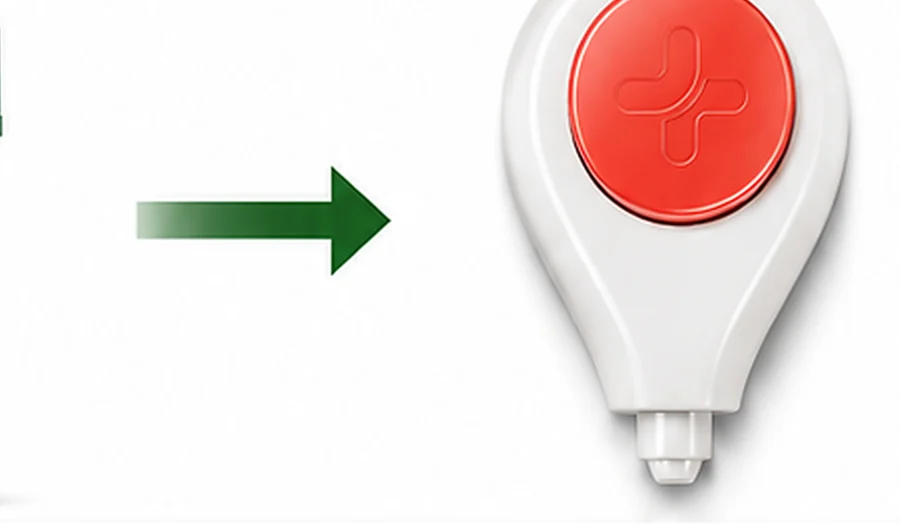
The Tasso device is a small, single-use kit that collects a blood sample from your upper arm without a needle in your vein. A gentle button-press opens tiny channels just under the skin, and the sample is drawn into a collection tube. It takes a few minutes at home - no clinic visit, no phlebotomist. Follow the four steps below to collect your sample correctly.

  1. Attaching the green collection tube to the Tasso device
    1

    Attach the collection tube

    Take the green-capped collection tube from your kit and attach it to the base of the Tasso device until it clicks into place.

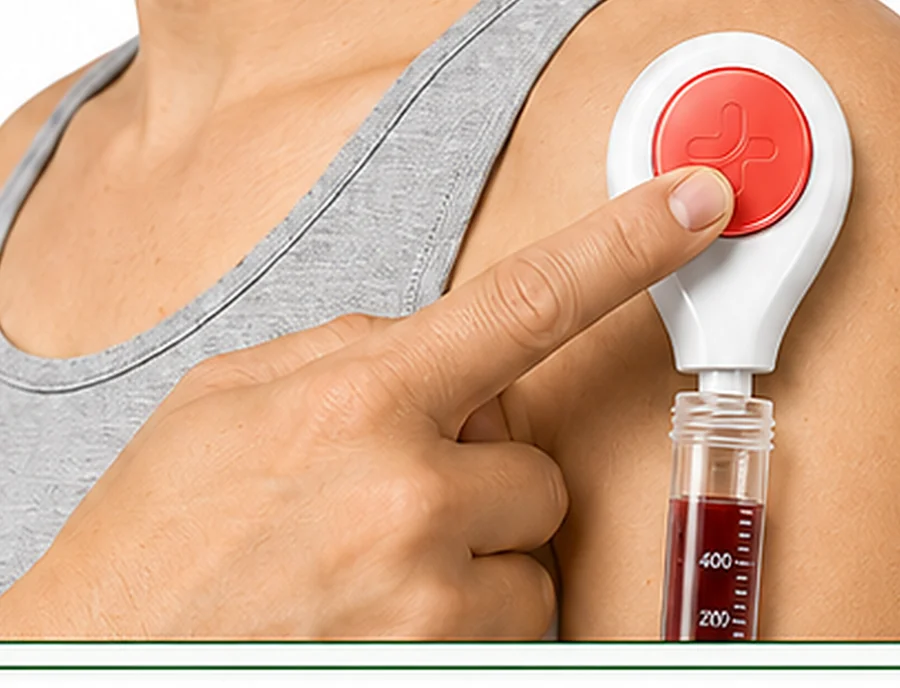
  2. Pressing the button to activate the Tasso device on the upper shoulder
    2

    Place on your shoulder and activate

    Press the device firmly onto your clean, dry upper shoulder so it sticks, then press the red button to begin collection. Keep it in place and let the tube fill.

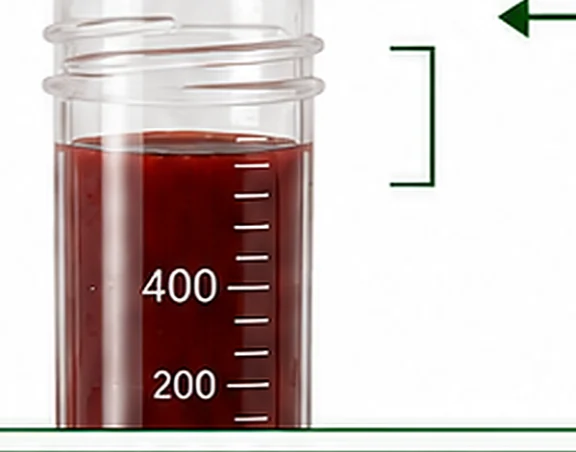
  3. Collection tube filled to above the 400 mark
    3

    Check the blood level, then remove the tube

    The blood level must reach at least another 200 above the 400 mark on the tube - fill close to the top, but do not overfill. Once there is enough blood, remove the collection tube from the device.

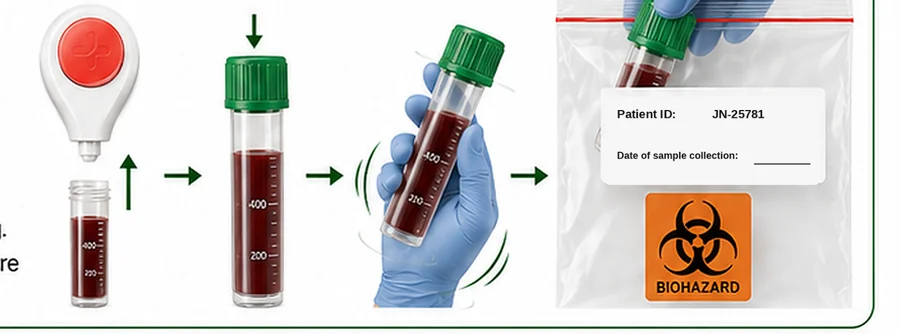
  4. Closing the tube, gently shaking it, and sealing it in the biohazard bag
    4

    Close, shake and prepare for return

    Close the green cap securely and shake the tube gently to mix. Complete the label, seal the tube inside the biohazard bag, and return it using the prepaid packaging in your kit. Don't forget to include your completed test requisition form in the box.

Post it back any day of the week. Your results take the same time as with our other collection methods - the Tasso kit is simply another way to give your sample at home.

Please note: the Tasso blood collection device may very rarely leave a permanent mark of approximately 2 mm on the shoulder. Although the mark is usually barely visible, please consider this before selecting this blood collection option.

FAQ

Frequently asked questions.

How much does carrier screening cost in Coventry?

Carrier screening in Coventry starts at £660 for a single person and £1,200 for a couple. Both include our 1,008-gene panel covering metabolic, neuromuscular, neurological, sensory and rare-disease categories, plus a pre-test genetic-counsellor consultation.

Where can I take a carrier-screening test in Coventry?

You can collect your sample at home with our oral-swab kit (included in the price) or the Tasso Home Collection Kit (+£25 for one person, +£50 for a couple), have your blood drawn at a Jeen Clinic Network partner clinic (+£40 for one person, +£80 for a couple), or book a home-nurse visit (+£65 for one person, +£130 for a couple). Partner clinics near Coventry, where we have them, are listed in the Clinic network section of this page. Any kit is dispatched by next-day delivery after your pre-test consultation and once your consent form is signed.

How long do carrier-screening results take in Coventry?

Reports take 17-21 working days from the date the lab receives your sample. Each result is reviewed by your genetic counsellor; we book a follow-up consultation if findings are high-risk.

Should I do carrier screening in Coventry before pregnancy?

Yes - pre-conception is when carrier screening is most useful. Identifying recessive conditions you and your partner both carry lets you make informed decisions about family planning, IVF with PGT-M, donor selection, or early prenatal monitoring. The earlier you have the information, the more options you have.

Do I need a GP referral for carrier screening in Coventry?

No. Anyone aged 18+ can book directly with Jeen Health, with no GP referral. After you order we email you a link to book your included 30-minute pre-test consultation with a genetic counsellor (video or phone). Your kit is dispatched by next-day delivery once that consultation is done and your consent form is signed.

What can carrier screening not tell me?

Carrier screening is a screening test, not a diagnosis. No panel detects every variant in every gene, so a negative result lowers but does not remove the chance that you are a carrier, and some results are variants of uncertain significance. It cannot tell you whether a pregnancy will be healthy, and what a result means for a pregnancy depends on the gene, how it is inherited and, for many conditions, whether your partner is also a carrier.
Panel composition

All 1,008 genes by category

Genes grouped by the clinical area they're associated with. Click any underlined symbol to read the gene's plain-English overview on Jeen Library - or browse per-gene carrier frequencies for population-stratified rates.

Gene category
Associated genes
Conditions
Metabolic Disorders 273 genes
AAAS, ABCA12, ABCA3, ABCA4, ABCB11, ABCB4, ABCC8, ABCD1, ABCD4, ACAD9, ACADM, ACADS, ACADSB, ACADVL, ACAT1, ACOX1, ACSF3, ADA, AGA, AGL, AGPAT2, AGPS, AGXT, AHCY, AKR1D1, ALDH3A2, ALDH4A1, ALDH7A1, ALDOB, ALG1, ALG12, ALG3, ALG6, ALOX12B, ALOXE3, ALPL, AMN, AMT, ANTXR2, ARG1, ARSA, ARSB, ARSE, ASL, ASNS, ASPA, ASS1, ATM, ATP7A, ATP7B, ATP8B1, BCHE, BCKDHA, BCKDHB, BCS1L, BTD, CANT1, CBS, COQ4, COX10, COX15, COX20, COX6B1, CP, CPS1, CPT1A, CPT2, CRADD, CTNS, CTSA, CTSC, CTSD, CTSF, CTSK, CYBA, CYBB, DBT, DDC, DGUOK, DHCR24, DHCR7, DHDDS, DLAT, DLD, DPYD, ETFA, ETFB, ETFDH, ETHE1, FA2H, FAH, FBP1, FBXL4, FH, FMO3, FOLR1, FOXRED1, FTCD, FUCA1, FXN, G6PC, G6PC3, G6PD, GAA, GALC, GALE, GALK1, GALNS, GALNT3, GALT, GAMT, GATM, GBA, GBE1, GCDH, GDAP1, GFPT1, GLA, GLB1, GLDC, GNE, GNS, GRHPR, GSS, GUSB, GYS2, HADH, HADHA, HADHB, HAX1, HCFC1, HEXA, HEXB, HGD, HGSNAT, HINT1, HLCS, HMGCL, HMGCS2, HOGA1, HPD, HPS1, HPS3, HPS4, HPS5, HPS6, HSD17B10, HSD17B3, HSD17B4, HSD3B2, HSD3B7, HYAL1, IDH3B, IDS, IDUA, ITPA, IVD, LIPA, LIPN, MAT1A, MCCC1, MCCC2, MCEE, MCOLN1, MLYCD, MMAA, MMAB, MMACHC, MMADHC, MPI, MPV17, MTHFD1, MTHFR, MTR, MTRR, MTTP, MUT, MVK, NAGA, NAGLU, NAGS, NEU1, NGLY1, NPC1, NPC2, OAT, OTC, PAH, PANK2, PC, PCBD1, PCCA, PCCB, PDHA1, PDHB, PDHX, PDP1, PEPD, PET100, PFKM, PGK1, PHGDH, PHKA1, PHKA2, PHKB, PHKG2, PHYH, PMM2, PNP, PNPO, PPT1, PRPS1, PSAP, PTS, PYGL, PYGM, QDPR, RTEL1, SACS, SAMD9, SAMHD1, SARS2, SBDS, SCO1, SCO2, SERPINA1, SGSH, SLC12A1, SLC12A3, SLC16A2, SLC17A5, SLC19A2, SLC19A3, SLC22A5, SLC25A13, SLC25A15, SLC25A20, SLC26A2, SLC26A3, SLC27A4, SLC34A3, SLC35A3, SLC37A4, SLC39A4, SLC3A1, SLC45A2, SLC46A1, SLC4A1, SLC5A5, SLC6A19, SLC6A8, SLC7A7, SLC7A9, SMPD1, SPR, SUCLA2, SUMF1, SUOX, SURF1, TAT, TERT, TF, TFR2, TG, TGM1, TH, TK2, TPP1, TTPA, TYMP, TYR, TYRP1, UGT1A1
Inborn errors of metabolism including amino acid disorders (PKU, maple syrup urine disease), organic acidaemias, fatty acid oxidation disorders, urea cycle disorders, glycogen storage diseases, lysosomal storage disorders, peroxisomal disorders, and other metabolic conditions
Blood & Coagulation Disorders 28 genes
CDAN1, EPB42, F11, F2, F5, F7, F8, F9, GP1BA, GP9, HAMP, HBA1, HBA2, HBB, HFE, HJV, ITGA2B, ITGA6, ITGB3, ITGB4, MPL, NBEAL2, NBN, NCF2, NCF4, PGM3, RHAG, SEC23B
Haemoglobinopathies (sickle cell disease, thalassaemias), bleeding disorders (haemophilia), platelet disorders, iron metabolism disorders, and other haematological conditions
Neuromuscular Disorders 31 genes
Muscular dystrophies (Duchenne, Becker, limb-girdle), congenital myopathies, spinal muscular atrophy, myasthenic syndromes, and neuromuscular junction disorders
Sensory Disorders (Hearing & Vision) 53 genes
Hereditary hearing loss (non-syndromic and syndromic), Usher syndrome, retinitis pigmentosa, Leber congenital amaurosis, albinism, colour blindness, and other vision/hearing disorders
Neurological & Neurodevelopmental Disorders 68 genes
Intellectual disability, autism spectrum disorders, epilepsy, leukodystrophies, spastic paraplegias, ataxias, and other neurological conditions affecting brain development and function
Connective Tissue & Skeletal Disorders 39 genes
ADAMTS2, ALMS1, BMPER, COL11A2, COL17A1, COL27A1, COL4A3, COL4A4, COL4A5, COL7A1, CRTAP, CUL7, DDR2, DLL3, EDA, EFEMP2, EVC, EVC2, GDF5, GRIP1, KIF14, LAMA2, LAMA3, LAMB3, LAMC2, LARS, LTBP4, MESP2, OBSL1, P3H1, PLOD1, PLOD2, PLP1, PRICKLE1, SERPINF1, TNXB, WISP3, WNT1, WNT10A
Ehlers-Danlos syndromes, osteogenesis imperfecta, chondrodysplasias, epidermolysis bullosa, Alport syndrome, and other connective tissue and skeletal disorders
Primary Immunodeficiencies 46 genes
AK2, BTK, CD247, CD3D, CD3E, CD3G, CD40LG, CD59, CD8A, CIITA, CORO1A, DCLRE1C, DOCK8, FOXN1, FOXP3, IKBKB, IL2RA, IL2RG, IL7R, JAK3, LCK, LIG4, MALT1, NDUFA11, NDUFAF2, NDUFAF5, NDUFS4, NDUFS6, NDUFS7, NDUFV1, PRF1, PRKDC, PTPRC, RAG1, RAG2, RFX5, RFXANK, RFXAP, SNX10, SP110, STK4, STX11, STXBP2, UNC13D, WAS, ZAP70
Severe combined immunodeficiency (SCID), X-linked agammaglobulinaemia, chronic granulomatous disease, Wiskott-Aldrich syndrome, and other primary immunodeficiency disorders
Kidney & Urinary Tract Disorders 26 genes
Polycystic kidney disease, nephrotic syndrome, renal tubular acidosis, Dent disease, Bartter syndrome, Gitelman syndrome, and other kidney disorders
Endocrine Disorders 36 genes
Congenital adrenal hyperplasia, disorders of sex development, congenital hypothyroidism, growth hormone deficiency, and other endocrine disorders
Ciliopathies & Cell Biology Disorders 44 genes
Bardet-Biedl syndrome, Joubert syndrome, Meckel syndrome, nephronophthisis, primary ciliary dyskinesia, and other ciliopathy disorders
Cancer Predisposition & DNA Repair 33 genes
ATM, BLM, BRIP1, DDB2, ERCC2, ERCC3, ERCC4, ERCC5, ERCC6, ERCC8, FANCA, FANCB, FANCC, FANCD2, FANCE, FANCF, FANCG, FANCI, FANCL, LYST, MRE11, NBN, POLG, POLH, POLR1C, RNASEH2A, RNASEH2B, RNASEH2C, TREX1, WRN, XPA, XPC, ZBTB24
Fanconi anaemia, xeroderma pigmentosum, Bloom syndrome, ataxia-telangiectasia, and other DNA repair disorders that predispose to cancer
Peroxisomal Disorders 15 genes
Zellweger spectrum disorders, rhizomelic chondrodysplasia punctata, and other peroxisome biogenesis disorders
Other Genetic Conditions 329 genes
A4GALT, AARS2, ABAT, ABCC2, ABCC6, ABCG5, ACAD8, ACP5, ACSL4, ADA2, ADAMTS13, ADAMTSL4, ADK, AGRN, AICDA, AIFM1, AIMP2, ALG13, AMPD2, ANO10, ANO5, AP1S1, AP1S2, AP3B1, AP3D1, AP4M1, APOPT1, ARHGEF9, ARL13B, ARL2BP, ARL6, ARNT2, ASAH1, ATP13A2, ATP1A2, ATP5MD, ATP6AP1, ATP8A2, B3GALT6, B4GALT1, BCAP31, BLOC1S3, BLOC1S6, BMP1, BRAT1, C19orf12, C19orf70, C2CD3, C8orf37, CAD, CAVIN1, CCDC174, CD40, CENPJ, CEP120, CEP41, CERS3, CFH, CFTR, CHMP1A, CHRNB1, CLCF1, CLN3, CLN5, CLN6, CLN8, CLRN2, COA7, COASY, COG5, COG6, COG7, COL11A1, COL6A2, CPLANE1, CRB2, CRLF1, CSPP1, CTPS1, CWC27, DCAF17, DDHD2, DDRGK1, DDX11, DEGS1, DGAT1, DIAPH1, DIS3L2, DKC1, DNAH11, DOLK, DPAGT1, DSE, DTNBP1, ECEL1, EIF2AK4, EML1, EOGT, EPCAM, EPG5, ERBB3, ERCC6L2, EXOSC3, FAM126A, FANCM, FAT4, FBXO7, FERMT1, FOXI1, FRAS1, FREM2, FRMD4A, FRMPD4, FRRS1L, GATC, GCH1, GCSH, GFM1, GH1, GJC2, GLE1, GMPPA, GORAB, GPHN, HBD, HIKESHI, HMOX1, HNRNPH2, HPRT1, HSPD1, IFNAR1, IFT172, IFT27, IGSF1, IL10RA, INSR, IQCB1, ISPD, ITPR1, KCNJ10, KIAA0586, KPTN, KRT14, KY, LAMP2, LARGE1, LARP7, LCA5, LDLR, LDLRAP1, LIPH, LONP1, LPL, LRBA, LRP2, LTBP3, MADD, MAN1B1, MAN2B1, MANBA, MBTPS2, MCPH1, MECP2, MECR, MED25, MFSD8, MGP, MOCS1, MOCS2, MPDU1, MSN, MUSK, MYBPC1, MYO15A, MYO18B, NARS2, NBAS, NCF1, NDE1, NDUFAF6, NDUFB11, NDUFS2, NEK8, NIPAL4, NPHP4, NSMCE3, NTRK1, NUP188, NUP62, ORC4, OSTM1, OTOA, OTUD6B, PAX7, PCDH12, PCNT, PDE6G, PDX1, PGAP3, PGM1, PIDD1, PIGA, PIGN, PIGQ, PIGS, PIGT, PIP5K1C, PKLR, PLA2G6, PLAA, PLCE1, PLD1, PNPLA1, POC1A, POLR3B, POMGNT2, POR, PPIB, PPP1R13L, PRDM12, PREPL, PYCR1, RARS2, RASGRP1, RAX, RBL2, RBM10, RECQL4, RMRP, ROGDI, RPL10, RPS6KA3, RXYLT1, RYR1, SASH3, SCAPER, SCARB2, SCN9A, SDHA, SDR9C7, SELENOI, SELENON, SEPSECS, SGP11, SGP21, SGP7, SGSM3, SKIV2L, SLC18A3, SLC29A3, SLC2A10, SLC2A2, SLC30A9, SLC35A2, SLC38A8, SLC4A4, SLC6A9, SNAP29, SPATA5, SPEG, SPG11, SPG21, SPG7, SPINK5, STAT1, STS, SZT2, TAF2, TANGO2, TBCB, TBCD, TBCE, TCN2, TECPR2, TECRL, TFE3, TFRC, THG1L, TIMM50, TJP2, TKT, TMC1, TMEM107, TMEM94, TNFRSF9, TNFSF11, TNNT1, TNR, TRAF3IP1, TRAPPC6B, TRDN, TRIM32, TRIM37, TRIP11, TRMU, TRPM6, TSEN2, TSEN34, TSEN54, TSFM, TSPEAR, TTC37, TTC7A, TTC8, TULP1, TWNK, UBA1, UBR1, UNC80, UNG, UPB1, UQCRQ, USP9X, VPS11, VPS37A, VPS45, VPS53, VRK1, VSX2, WDPCP, WDR34, WDR62, WWOX, XRCC2, YARS, ZFYVE26, ZIC3, ZNF341, ZNHIT3
Various rare genetic disorders including mitochondrial disorders, neuronal ceroid lipofuscinoses, spastic paraplegias, and other miscellaneous genetic conditions
Get in touch

Talk to a specialist.

Our team is here to help. Whether you're curious about testing, your results, or what's right for you - we're a message away.

Book a consultation